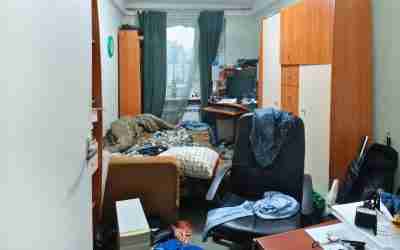
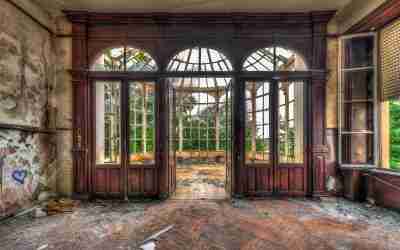
Arizona law establishes when landlords must provide temporary accommodations during property repairs. This question becomes crucial when maintenance renders a property uninhabitable. For landlords, understanding these obligations helps avoid litigation and maintain good tenant relationships. For tenants, knowing these rights ensures proper housing standards even during repairs. The landlord’s responsibility for temporary housing depends on the nature and duration of repairs and whether conditions make the dwelling truly uninhabitable. This article examines when Arizona landlords must pay for hotel accommodations during repairs and outlines best practices for handling these situations legally.
Legal Framework in Arizona
The Arizona Residential Landlord and Tenant Act (ARLTA) establishes the legal foundation for landlord-tenant relationships. Under A.R.S. § 33-1324, landlords must maintain rental properties in habitable condition by keeping common areas safe, maintaining essential systems, and ensuring provision of basic services.
A dwelling becomes legally “uninhabitable” when conditions materially affect tenant health and safety. Courts consider factors such as absence of essential utilities, presence of significant health hazards, structural deficiencies, or code violations that make occupancy dangerous.
Arizona law distinguishes between emergency repairs addressing immediate threats and non-emergency maintenance. Under A.R.S. § 33-1361, when a landlord’s failure to supply essential services makes a dwelling uninhabitable, tenants may procure reasonable substitute housing during repairs, with costs potentially recoverable from the landlord.
When Landlords Must Provide Alternative Accommodations
Arizona landlords must provide alternative accommodations when repairs render a property genuinely uninhabitable. This obligation typically arises when essential services like water, electricity, or adequate heating/cooling are lost, particularly during extreme weather. When basic utilities are unavailable for more than 24 hours, the property may be deemed uninhabitable, requiring temporary housing arrangements.
Health and safety hazards requiring evacuation—such as extensive mold remediation, asbestos abatement, or severe pest infestations—commonly trigger this obligation. Significant property damage from disasters that compromises structural integrity also creates responsibility for alternative housing.
The duration of repairs matters significantly. Issues lasting less than 24 hours rarely justify hotel accommodations, while longer repairs may create liability for reasonable housing costs. Arizona courts apply “constructive eviction” doctrine when conditions effectively force tenants to vacate, as established in recent case law involving extended plumbing repairs.
Landlord Options for Providing Accommodations
When temporary relocation becomes necessary, Arizona landlords have several options. Hotel or motel accommodations are most common for short-term displacements. These must be reasonably comparable to the tenant’s regular housing in location and amenities, though not luxurious, and should be within reasonable distance from the tenant’s workplace or children’s schools.
Alternatively, landlords may offer rent reduction proportionate to the unusable portion of the property or the duration of the inconvenience. This works best for partial habitability issues where tenants can safely remain during repairs. Some property managers maintain vacant units specifically for temporary relocations.
Documentation is essential regardless of method chosen. Landlords should maintain records of uninhabitable conditions, repair timelines, communications with tenants, and accommodation expenses, including written agreements specifying terms and how rent payments will be handled during displacement.
Tenant Rights and Responsibilities
Tenants must follow proper notification procedures to preserve their legal remedies when facing uninhabitable conditions. Arizona law requires written notice detailing specific habitability issues before pursuing accommodation claims, supported by documentation through photographs or inspections.
Tenants must mitigate damages and cannot secure unnecessarily expensive accommodations expecting full reimbursement. If a landlord fails to provide temporary housing after proper notification, tenants may secure reasonable accommodations independently and potentially recover costs through rent reduction or legal action.
For reimbursement, tenants must maintain documentation of all communications, receipts for housing expenses, and evidence of uninhabitable conditions. A.R.S. § 33-1363 requires submitting claims within a reasonable timeframe, typically 30 days. Tenants generally must continue paying rent during this period unless a rent abatement agreement exists or statutory remedies have been properly invoked.
Exceptions and Special Circumstances
Important exceptions exist to a landlord’s obligation for temporary accommodations. When tenants cause damage necessitating repairs, landlords generally bear no responsibility for alternative housing. Planned renovations with proper notice (typically 30 days under A.R.S. § 33-1368) usually don’t create accommodation obligations unless lease terms specify otherwise.
Lease agreements may contain provisions addressing temporary displacement, including predetermined accommodation arrangements. These provisions are enforceable if they meet Arizona’s minimum standards. Insurance also plays a key role—landlord policies often cover temporary accommodations during covered repairs, while renters’ insurance typically provides “loss of use” coverage for alternative housing during uninhabitable conditions.
Best Practices for Landlords
Proactive communication is the most effective strategy for managing repair-related displacements. Establish protocols for addressing habitability issues, including designated channels for emergency repairs. Document property conditions before tenancy and maintain detailed maintenance records throughout the lease.
When repairs require temporary relocation, provide written notices detailing the work scope, timeline, and accommodation arrangements. Include provisions addressing relocations in lease agreements, ensuring legal compliance while clarifying expectations.
Develop relationships with hotels offering discounted rates for emergency accommodations and maintain adequate insurance covering alternative housing costs. Consider partnerships with other property owners who might provide temporary units during emergencies, creating arrangements that minimize costs while meeting legal obligations.
Seek Legal Help When In Doubt
The complexities of Arizona’s temporary accommodation laws underscore the critical importance of legal representation for both landlords and tenants. An experienced attorney specializing in landlord-tenant law can provide essential guidance through the intricate regulatory requirements of the ARLTA and ensure proper compliance with federal housing statutes.
For landlords, legal counsel can draft proper notices, advise on accommodation obligations, and protect against liability when tenants demand hotel accommodations. Tenants facing habitability issues benefit equally from qualified representation to ensure their statutory rights are recognized and enforced. The modest cost of retaining an attorney early in any habitability dispute typically prevents the substantial expense of litigation that can arise from mishandled temporary housing situations. Local bar associations and legal aid societies can connect parties with appropriate legal professionals whose expertise transforms complex housing law requirements into manageable protocols that protect everyone’s interests.