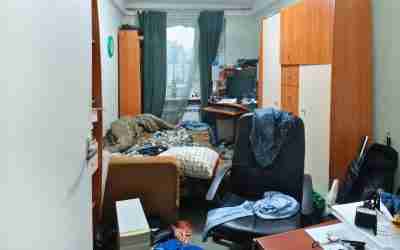
A Cautionary Tale from a Flooded Apartment
This Memorial Day weekend, a client of mine returned from an overseas trip to a distressing situation: their elderly mother, who resides on the bottom floor of an assisted living apartment complex, had been living in a flooded unit. The source? A leak from an upstairs neighbor. The worst part? She had no insurance to cover the damage to her personal belongings.
This situation, unfortunately, is not uncommon. Many tenants—especially elderly individuals or their families—assume that the landlord’s insurance will cover everything. But that’s rarely the case.
The Reality of Landlord Insurance
Landlords typically carry insurance that covers the structure of the building and liability for common areas. However, this insurance almost never covers a tenant’s personal property. In fact, many leases explicitly state that the landlord is not responsible for damage to a tenant’s belongings and recommend that tenants obtain their own renters insurance.
Why Tenants Need Their Own Policy
Renters insurance is relatively inexpensive and can cover:
- Personal property (furniture, electronics, clothing, etc.)
- Loss of use (temporary housing if the unit becomes uninhabitable)
- Liability protection (if someone is injured in the unit)
In the case of my client’s mother, a simple renters insurance policy could have covered the cost of replacing her damaged belongings and possibly even temporary relocation expenses.
Special Considerations for Elderly Tenants
If you’re helping an elderly loved one move into a new residence—especially on a lower floor where water damage is more likely—make sure they have a renters insurance policy in place. It’s a small investment that can prevent a major financial and emotional burden.
What Landlords Can Do
Landlords can also play a role in preventing these situations by:
- Requiring renters insurance as part of the lease agreement
- Providing clear communication about what their insurance does and does not cover
- Offering resources or referrals to help tenants obtain coverage
Final Thoughts
This story is a reminder that insurance isn’t just a formality—it’s a safeguard. Whether you’re a landlord or a tenant, taking the time to understand and secure the right coverage can make all the difference when the unexpected happens.